5 lamp shades that can ruin the atmosphere if chosen incorrectly: Table lighting can instantly make food more appetizing.

lamp shades makes food look more vibrant, the dining table feel warmer, and fosters more comfortable interactions among family members. Conversely, choosing the wrong lamp shades can diminish the appeal of even the most exquisite dishes, make the finest tableware appear dull, and even ruin the dining experience. This is why lamp shades are irreplaceable in the dining environment.
Lamp shades not only filter light but also determine the direction, brightness, diffusion, and color presentation of light on a dining table. The effect of lamp shades on a dining table often manifests as soft light, focused light, warm light, diffused light, or multi-layered light and shadow. Behind these effects lies the combined effect of multiple factors, including material, color, structure, size, and light transmittance. Therefore, in dining table lighting design, lamp shades become a central hub connecting design aesthetics, lifestyle habits, and the psychological perception of light.
I. How lamp shades material affects the quality of light on a dining table
In dining table lighting design, the material of lamp shades is the primary factor determining the quality of light. Different materials have completely different abilities to refract, filter, scatter, and absorb light, thus creating drastically different atmospheres at the dining table. For example, fabrics typically have a soft sheen, allowing light to pass through the fibers and become delicate and intimate; glass allows light to be more direct, suitable for a clean, crisp, and modern dining room style; paper creates warm, diffused light with a slightly hazy feel; and metal, being opaque, is better suited for focusing light, making the dining table the visual focal point.
In real life, many people overlook the importance of lamp shades , resulting in inappropriate lighting on their dining tables. Some materials are too hard and have excessive surface reflectivity, making the light glaring and distorting the appearance of food. Other materials are too thin, causing excessive light diffusion, making it difficult to focus the atmosphere on the table and resulting in a lack of warmth. Still others have poor heat resistance and may discolor after prolonged use, causing the originally soft light to gradually darken and turn yellowish, leading to a deterioration in the color of food.
Therefore, in setting up dining table lighting, materials are not only related to aesthetics but also to the psychological effect of light. The more suitable the material is to the space, the more naturally delicious the visual effect of the dining table will be. Light passing through the lamp shades of ideal materials often presents a warm feeling that is more in line with human visual comfort. This soft atmosphere can subtly promote communication among family members and make dining more enjoyable.
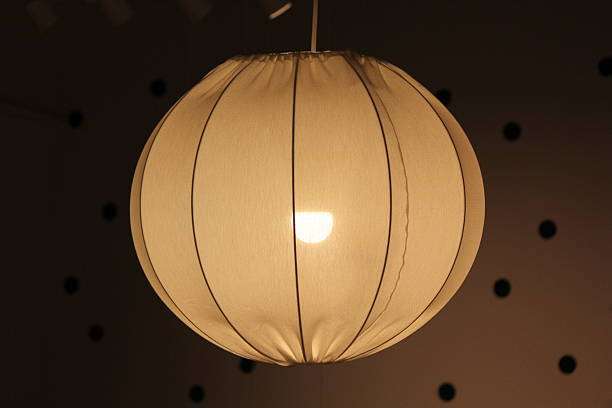
II. Color determines the temperature of the light and the realism of the food’s color.
Color has a very direct impact on table lighting. It not only changes the color temperature of the light but also affects the presentation of the food’s colors. In color psychology, humans are more likely to experience appetite from warm colors such as red, orange, and yellow. Therefore, table lighting should ideally create a soft and slightly warm visual atmosphere. When colors are too cool or too dark, the color of the food’s surface is diminished. For example, green vegetables may appear dull, and meat may look less fresh, making the entire table less appealing.
transparent lamps retain the bulb’s color temperature, they can result in overly direct light, causing noticeable glare on the dining table and making it difficult to eat comfortably for extended periods. Conversely, warmer lamp shades , such as milky white, light beige, and pale apricot, soften the light, allowing food to display richer colors under illumination.
Another common mistake is using too much color. For example, while blue can be aesthetically pleasing in certain settings, it can make food appear lifeless on a dining table. Lamp shades can create a cool tone bias in both skin tones and food, while red lamp shades can make the colors overly warm, causing the food to lose its original detail and depth. Therefore, color is not only an aesthetic choice but also a regulator of the presentation of food colors.
The goal of table lighting is to make food look fresh, vibrant, layered, and appetizing, and lamp shades are key to achieving this visual effect. Only by choosing the right colors can the light release an inviting warmth in the space, maintain the food’s visual appeal, and make the dining table a truly inviting place.
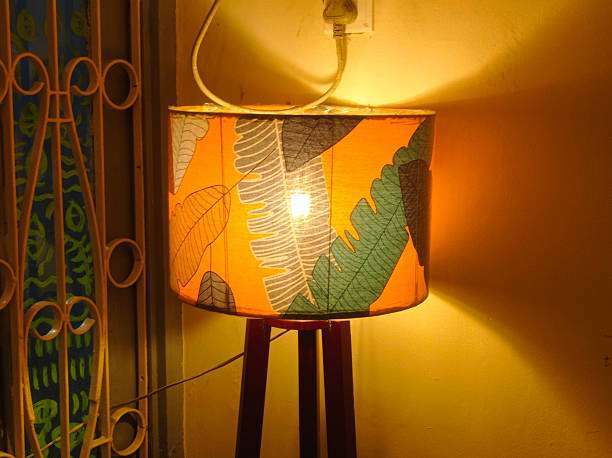
3. The shape of lamp shades affects the distribution of light, creating different narratives in the dining atmosphere.
lamp shades determines how light falls on the dining table and how the atmosphere of the table is narrated. A downward-focusing shape concentrates light on the tabletop, making the table the visual focal point, suitable for emphasizing the beauty of the food itself. On the other hand, a diffused shape allows light to spread softly, creating a warm and even lighting effect throughout the space.
Conical lamp shades are the most common type of focused lighting, creating a natural focal point that makes food in the center of the table appear brighter and more appealing. Circular lamp shades tend to diffuse light more evenly, creating a warm and relaxed atmosphere for family meals, ideal for extended conversations. Rectangular lamp shades can create a more modern, linear lighting effect, giving the table a sense of ceremony and rhythm. Curved or multi-layered lamp shades create subtle light and shadow textures through the refraction of light on the surface, adding an artistic touch to the dining atmosphere.
Shape affects not only the direction of light but also its softness. The greater the curvature, the more light is reflected internally, resulting in softer light; the narrower the opening, the more concentrated the light; the sharper the lines, the more dramatic the light and shadow. All of these directly determine how food is illuminated and the visual emotions experienced by the diner.
A well-designed lamp shade can transform the dining table into a stage, making the tableware and food the main focus, and turning light not just for illumination but also for storytelling. What makes a dining table memorable, besides the flavors, is the atmosphere and story created by the light.
IV. The size of lamp shades reveals the key to spatial proportions and lighting comfort.
lamp shades is the part that many people easily overlook but also makes the most mistakes in. If they are too small, the light will appear too concentrated, making the dining table a visually oppressive focal point; if they are too large, they will block the light, making the tabletop appear dark or creating slanted shadows. Well-sized lamp shades , on the other hand , allow the light to fall naturally and evenly, giving the dining table just the right temperature.
In design principles, the diameter of the lamp shades should be in a harmonious proportion to the width of the dining table, and the height of the lamp shades should ensure that the light transmission range does not create glare or light spots. If the lamp shades are too small, the colors of the food cannot be fully displayed; if they are too large, the light is excessively absorbed, making the space feel heavy.
Size is not only a visual issue, but also a matter of psychological comfort. The distance between lamp shades and the dining table affects people’s posture and comfort while eating. If they are too close to the table, it can feel oppressive; if they are too far away, the light will not be focused enough, lacking a warm and intimate atmosphere. Therefore, the right size will create a balanced lighting effect, making the dining table both bright and cozy.
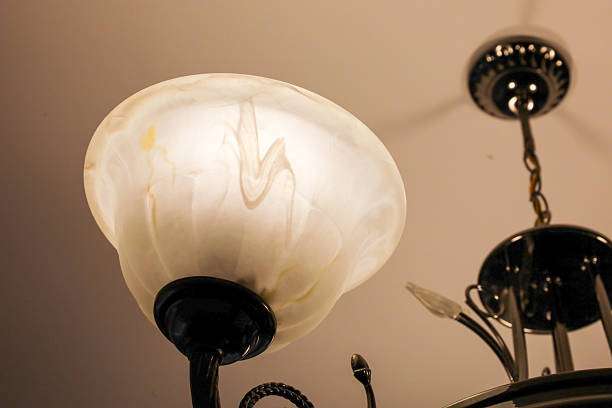
5. The light transmittance of lamp shades determines whether the light is inviting, cold, or dim.
Light transmittance is the final key factor in lighting at the dining table. High light transmittance makes the light clear and direct, suitable for modern minimalist restaurants or those that emphasize a clean and refreshing feel; low light transmittance makes the light softer, giving the space a relaxing and intimate atmosphere. Lamp shades with inappropriate light transmittance can easily make the light too cold, too harsh, or too dark, causing the food to lose its visual appeal and deliciousness.
Truly inviting table lighting must possess warmth, direction, and depth, and the control of lamp shades ‘ transmittance is key to achieving this atmosphere. Well-balanced lamp shades allow light to fall evenly on the plates, making the food appear three-dimensional, soft, and irresistibly inviting.
Too much light transmittance can cause glare, while too little light transmittance can make a space feel dull. Lamp shades with just the right amount of light transmittance can make the light both warm and restrained, giving the dining table a comfortable experience like that of a fine restaurant.
Conclusion
The dining table is the most intimate space in family life, and lamp shades are key to amplifying, extending, and transforming this intimacy into visual warmth. They illuminate not only the food but also the emotional connection between family members. When chosen correctly, light gently falls on the food, plates, and faces, giving each meal a quietly flowing beauty.
Lamp shades thus become central to defining the atmosphere of a dining table; they are not merely lighting accessories, but an extension of a lifestyle. Understanding how to choose lamp shades means understanding how to create a warmer, more delicious, and more ritualistic lifestyle.