Does the color and pattern of lamp shades affect brightness? Choosing the wrong one could make the room darker.

When choosing a lamp, many people focus on the design, material, or price, but often overlook a crucial factor: the color and pattern of the lamp shade . In fact, lamp shades aren’t just decorative; they directly influence the intensity and distribution of light. Choosing the wrong shade color or pattern can make a room appear dim, even with a high-wattage bulb. This article will explain how to avoid this, from scientific principles to practical advice.
Why does lamp shade color affect brightness?
lamp shades determines whether light is absorbed or reflected. Light lamp shades (such as white, beige, and light gray) reflect most light, distributing it evenly throughout the room and increasing overall brightness. Dark lamp shades (such as dark blue, dark coffee, and dark green) absorb light, allowing only a small amount to pass through, making the room appear dim.
For example, if you install dark lamp shades in your study or kitchen , even with a high-intensity bulb, there may not be enough light. However, if you choose light lamp shades , even with a medium-wattage bulb, you can fully reflect the light and make the room bright and open.
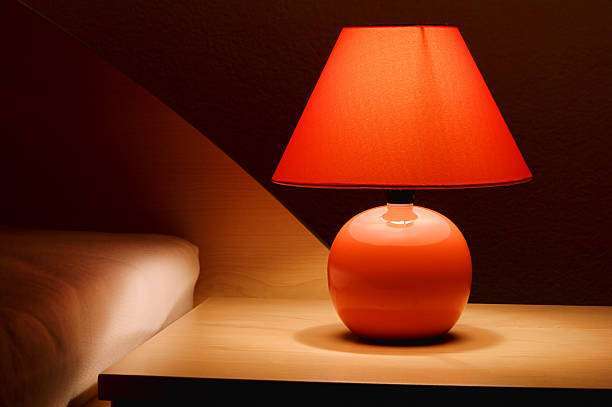
lamp shades patterns affect light
Pattern design also plays a significant role in influencing brightness. Large, dark patterns or heavy embroidery can block light and weaken the lighting effect. Conversely, light-colored, translucent, or openwork patterns allow light to filter through the pattern, preserving overall brightness while creating interesting light and shadow effects.
For example, white lamp shades with hollow patterns will not reduce the brightness of the room, but will cast soft light and shadows, adding a sense of spatial layering; dark or heavy patterned lamp shades will “eat up” the light, making the room appear dim, especially in work or study areas, where this loss is particularly obvious.
lamp shades materials and shapes
Material and shape also affect brightness. Glass or acrylic lamp shades are highly transparent, allowing light to diffuse freely. Fabric lamp shades, especially those made of thicker fabrics, have poor light transmission and tend to attenuate light. Metal lamp shades are generally opaque, forcing light to escape from the bottom. Light-colored or reflective interiors of metal lamp shades can partially improve light reflection, but overall brightness is still limited.
lamp shades also changes light distribution. Large, enclosed designs concentrate light at the bottom or in a localized area. Hemispherical lamp shades with large openings diffuse light evenly, reducing shadowed corners and making the room brighter.
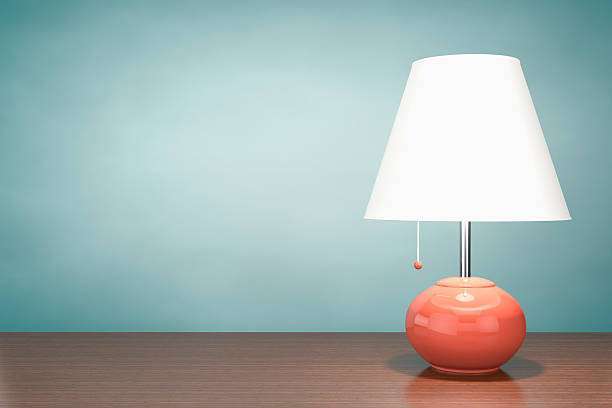
How to choose lamp shades to avoid room darkening
Clearly define the room’s purpose:
For areas with high brightness requirements (kitchens, studies, and work areas), choose light-colored, light-transmitting lamp shades . For ambient areas (bedrooms and living rooms), moderately dark or patterned lamp shades can be chosen , but they should not completely block light.
Considering both color and pattern
, it is safest to pair light-colored lamp shades with light-colored or translucent patterns. If you want to use dark lamp shades , you should choose hollow or translucent designs, otherwise the brightness will be significantly reduced.
Matching Lamp Brightness to Lamp Shades:
Even high-wattage bulbs cannot fully compensate for the light loss caused by dark or opaque lamp shades . Choose a bulb that matches the brightness of the lamp shades .
Light distribution should be well coordinated
with the shape of lamp shades to ensure that light covers the main activity area. If necessary, auxiliary lighting can be added to avoid insufficient overall brightness.
Summarize
lamp shades directly affect the room’s brightness. Light, translucent lamp shades diffuse light, while dark or heavily patterned ones absorb light, making the space appear dim. When choosing lamp shades , consider the room’s function, the bulb’s brightness, and the material and pattern design to ensure a balance between aesthetics and practicality.
Next time you’re choosing a lamp, stop and think: Will this lamp shade make the room brighter or darker? Choosing the right lamp shades can help you make light truly work for you, making your room both brighter and more comfortable.