Top 10 Contemporary Design Trends in Lamp Shades: Designers’ Favorite Inspiration Indicators

In the context of contemporary spatial design, lighting is no longer merely a tool for illumination, but a structured language that redefines the atmosphere of life, emotional expression, and visual hierarchy. As the most crucial medium of this lighting language, lamp shades are experiencing an unprecedented wave of innovation in balancing functionality and aesthetics.
Today’s designers are no longer satisfied with traditional shapes and fixed materials; they hope to use lamp shades to create more artistically free boundaries of light and shadow, allowing spaces to freely switch between soft, dramatic, minimalist, or futuristic styles. As lamp shades assume a complex role as mood regulators, art installations, and cultural symbols, their design trends become bolder, more sensitive, and more cross-disciplinary, becoming the most important creative trendsetter in the lighting industry.
Current consumers not only pursue brightness but also pay attention to how it integrates with home personality, environmental concepts, technological experiences, and spatial interaction methods. Therefore, the innovative trends of contemporary lamp shades deserve systematic analysis and in-depth understanding to gain insight into the core logic of the next stage of lighting aesthetics.
I. The Return to Natural Materials Drives a Shift from “Industrial Feel” to “Eco-Tactile Feel”
In recent years, the design world has seen a strong resurgence of “naturalistic aesthetics,” with materials such as bamboo, hemp, rattan, pulp, and clay becoming crucial cornerstones of lamp shades’ innovation. After a long period of chemical material dominance, natural materials have regained favor, reflecting a rethinking of sustainable lifestyles.
Designers use techniques such as hand-weaving, natural textures, and material gaps to create a warm and light halo, imbuing spaces with a soft, calm, and wild ecological atmosphere. Natural materials not only provide visual comfort but also tactile memory, possessing a certain “warmth” that allows light and material to harmonize into an emotion. More importantly, nature symbolizes a lifestyle: in an era of excessive technological penetration, preserving the original, pure, and breathable power of nature in spaces.
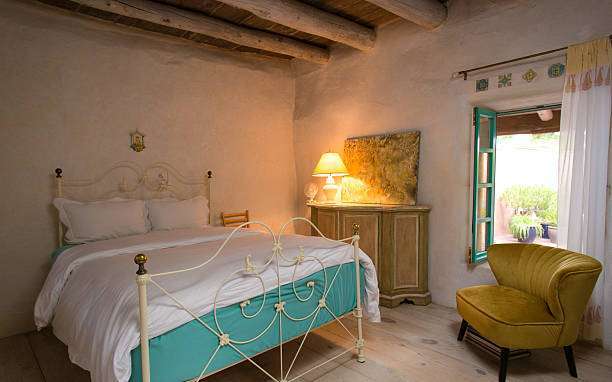
II. Minimalism Drives Lamp Shades Towards Pure Form and Precise Light
The continued influence of minimalism in global home design has led to the evolution of lamp shades towards a “less is more” approach. Designers, after eliminating superfluous decorations, focus on the edges of light, the proportions of contours, and geometric purity in lamp shades . Circles, ovals, cones, or regular lines have become common themes.
Lamp shades continuously explore the interplay between transparent, semi-transparent, and soft-frosted materials, allowing light to fall into the space in a purer and cleaner way. The charm of minimalism lies not in luxury, but in an “invisible aesthetic,” allowing objects to diminish their presence while strengthening the unity of the environment, presenting a quiet, restrained, and sophisticated order of light and shadow. For modern families seeking a sense of space, the purer the design, the more seamlessly it integrates with furniture, walls, and floors.
III. Technological Materials Offer More Transcendental Possibilities
. The incorporation of technological materials has freed lamp shades from traditional plastics or glass, ushering in a new era of futuristic forms. Silicone, resins, optical fibers, programmable light films, and polymer composites are increasingly integrated into designs, giving them properties such as high-temperature resistance, corrosion resistance, flexibility, deformability, and adjustable light transmittance.
The most captivating characteristic of technology lies in its flexibility; for example, foldable lamp shades can expand or contract as needed, while smart light films can even automatically adjust their transparency according to the intensity of the light source, creating biomimetic light and shadow effects. Technology’s high-performance aesthetics also allow for greater experimentation and playfulness in indoor lighting, offering more unknown possibilities for the future of homes.
IV. Lightweight Trends Enable Easier Installation, Matching, and Relocation.
With the expansion of the young renter and small-apartment market, the demand for lightweight designs continues to increase. Lightweighting not only represents weight reduction but also signifies structural flexibility and adaptability to various usage scenarios.
Whether it’s a hanging lamp, floor lamp, or wall lamp, lightweight lamp shades make space arrangement easier, allowing users to quickly change styles and achieve a rapid “atmosphere change.” Paper art, thin fabrics, and lightweight vinyl materials, due to their softness and malleability, frequently appear in many designer works. The lightweight trend not only enhances functionality but also reflects the contemporary pursuit of simplicity and freedom, becoming a light and airy decoration that changes with time and mood.
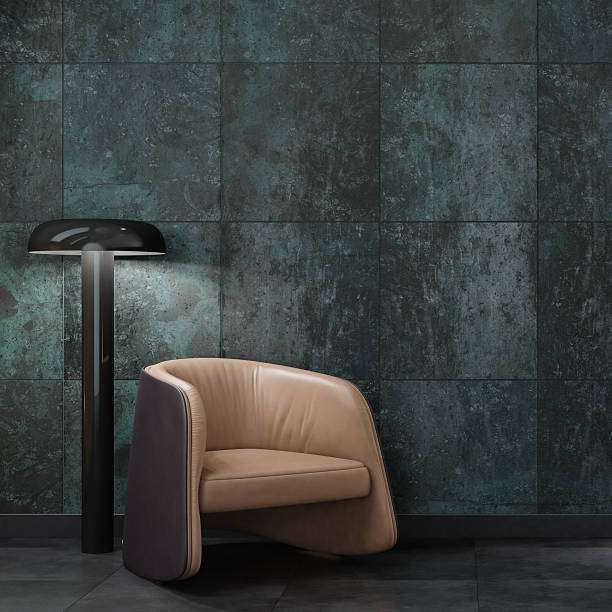
V. Sculpturalization as an Artistic Role in Space
One of the most recognizable trends in contemporary lighting design is the gradual shift from “tools” to “sculptures.” Designers are no longer content with circles or squares, but boldly employ fluid forms, irregular curved surfaces, architectural deconstruction, origami structures, and even three-dimensional shapes with emotional connotations, as if becoming independent art sculptures within the space.
When light passes through these sculptural elements, the interplay of light and shadow creates more dramatic textures, turning ceilings, walls, or floors into canvases of light. Sculpture imbues spaces with a high degree of individuality, often becoming the visual center, especially in modern living rooms, dining rooms, or art homes. This transforms lamp shades from mere supporting elements into a leading aesthetic expression.
VI. Variable Structure Lighting Possesses the Ability of an “Emotion Regulator”
In recent years, rotatable, extendable, openable, and foldable structural designs have become a significant trend in lamp shades . Through mechanical or flexible structures, lamp shades can change the shape, direction, and range of light transmission, thereby controlling the diffusion of light and the atmosphere. Variable structures allow spaces to have more layers of light and allow users to freely adjust them according to their needs for reading, resting, dining, etc. Lamp shades are no longer passive light media, but rather devices that actively participate in constructing the mood of a space.
Rekindling the Romantic Retro Style and Rediscovering Cultural Value in
Lamp Shades Through Vintage Materials and Classic Designs. Whether it’s French crystal, industrial wrought iron, or vintage velvet, these elements carry visual symbols of specific eras and present a charming mix-and-match aesthetic in modern spaces. Retro styles often feature warm, yellowish lighting, creating a soft, hazy, nostalgic atmosphere that imbues the space with the texture of time. Many vintage lamp shades retain handcrafted details, injecting a unique warmth into modern homes. Contemporary designers often combine modern structures with vintage lamp shades , creating a dialogue between the old and the new, resulting in a space with a cross-generational aesthetic.
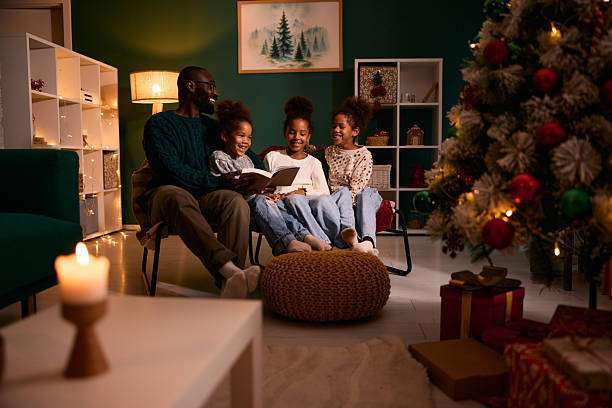
8. Multifunctionality Reflects the Complex Needs of Modern Life:
With the fast pace of life, people tend to choose multifunctional lighting equipment, making multifunctionality a growing trend.
Some incorporate storage functions, others magnetic structures, and still others embed subtle fragrance elements into the materials, allowing light and aroma to influence mood together. Furthermore, some can be integrated with audio equipment, creating an immersive experience through the interplay of light and music. Multifunctional lamp shades demonstrate the convenient logic of modern life, transforming light from an isolated element into a multi-interactive medium within the living system.
IX. Regional Cultural Inspiration: A Clearer Cultural Identity
Designers are increasingly emphasizing the expression of regional culture, making lamp shades a disseminator of cultural symbols. Whether it’s the minimalist wood of Scandinavia, Japanese washi paper, or Chinese silk, these all reflect different regions’ understandings of light and shadow. Regional culture, through textures, colors, materials, and traditional craftsmanship, achieves the integration of aesthetics and culture, giving spaces a narrative quality. It not only illuminates the environment but also illuminates cultural memories, bringing a unique expression of character to modern residences.
10. Sustainable and Circular Design Makes Lamp Shades a Symbol of Responsibility for Future Spaces.
With increasing global environmental awareness, sustainable design has become an inevitable trend. Recycled materials, reused wood, and recycled plastics are increasingly appearing on design lists, resulting in a lighter environmental burden. Recyclable, removable, and replaceable parts systems convey a message to consumers: lighting should not only be beautiful, but also responsible. When lamp shades embody environmental principles from production and use to recycling, they become a green symbol of future home civilization.
In conclusion,
contemporary lamp shade design trends reveal a clear direction: lamp shades are no longer merely accessories to light sources, but rather convergence points of lifestyle aesthetics, material technology, cultural awareness, and environmental consciousness. Continuously pushing traditional boundaries, the light they release not only illuminates spaces but also a new way of life. Future lamp shades will continue to grow through creativity, technology, and culture, becoming a core carrier of a new era of light and shadow co-shaped by designers and users.