
When choosing lamp shades , many people often focus solely on appearance and color, overlooking the crucial factor of size. Even the most beautiful lamp shade can appear visually awkward or unbalanced if it doesn’t harmonize with the fixture or the space. However, choosing the right size for a lamp shade isn’t complicated. A simple formula for proportions allows you to quickly determine the right fit and achieve the perfect balance between light and space.
1. Why does the size of lamp shades affect the overall appearance?
Lamp shades not only soften light but also play a crucial role in the visual experience of a space. If they are too small, the bulb will be easily exposed, appearing cheap and glaring. If they are too large, the space will be compressed and feel heavy overhead. Especially for pendant lamps or table lamps, the proportions of the lamp shades directly influence the visual balance. The right lamp shades can soften light, create a harmonious look, and blend naturally into the style of the space, becoming the finishing touch.
2. Golden ratio formula for lamp shade selection
The most practical rule of thumb is that the height of
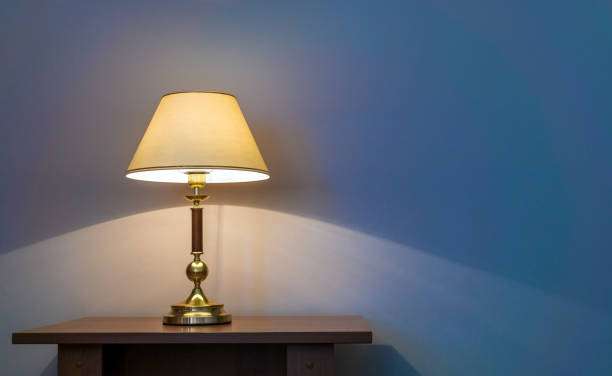
the lamp shade is about 60% to 70% of the total height of the lamp, and the diameter of
the lamp shade is about 1.5 to 2 times the diameter of the lamp body. This ratio formula can be applied to most table lamps, bedside lamps and floor lamps. For example:
If the total height of the lamp is 50 cm, the height of the lamp shades should be 30-35 cm;
If the lamp body diameter is 20 cm, the lamp shade diameter is about 30-40 cm for best harmony.
This ratio can not only prevent light leakage, but also maintain a sense of visual balance, making the lamp look “perfectly proportioned”.
3. Special considerations for different types of lamps
1. Table lamps vs. bedside
lamps: Table lamps are typically placed on a desk or bedside. The angle of the lamp shade determines the spread of light. For reading light, narrower lamp shades are recommended for more concentrated illumination. For ambient lighting, wider lamp shades can be chosen for a softer, more diffused light.
2. Pendant lamps vs. table lights
: The size of a pendant lamp depends not only on the lamp itself but also on its proportion to the width of the tabletop. A general recommendation is to design lamp shades with a diameter of 1/2 to 2/3 the width of the tabletop, and to hang them approximately 75 to 90 cm above the tabletop. This ensures that the lighting coverage of the table is adequate, without glare or obstruction.
3. Floor Lamps vs. Living Room Lamps
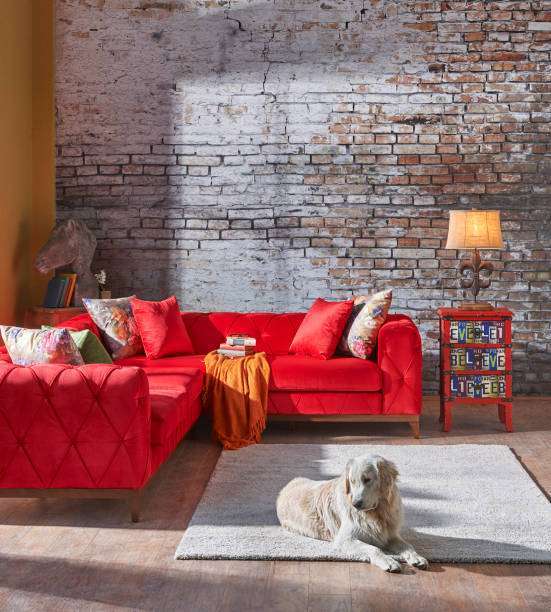
: Floor lamps are often used for auxiliary or decorative lighting. Lamp shades should be designed with a diameter that’s minimal to avoid visually interfering with sofas and coffee tables. It’s generally recommended that the width of the lamp shade be similar to the distance between the lamp legs, and the overall height be kept below two-thirds of the space to avoid visually lowering the ceiling.
4. Fine-tune according to space and bulb type
Different spaces require varying light intensities, which will also influence your choice of lamp shades . For bedrooms, choose softer lamp shades , such as those made of fabric, paper, or frosted glass, with slightly larger shades for a softer glow. For living rooms or studies, choose firmer lamp shades for a more directional light.
The type of bulb is also important: LED bulbs generate less heat, so more enclosed lamp shades are recommended . For incandescent bulbs, choose models with larger openings to prevent heat buildup.
5. Test lighting is the best way to check the proportion
Before purchasing, use your phone to take photos of the proportions of the lamp to the space and compare the effects of different lamp shade sizes . Many lighting stores allow trial installations, so it’s worth trying several sizes before making a purchase. By understanding the basic formula of “60%-70% height and 1.5-2 times the diameter,” supplemented by visual judgment and on-site light testing, you can choose the most appropriate lamp shade size.
Conclusion
lamp shades comes from “just the right proportions.” They’re not about pursuing grandeur with larger shades or exquisite refinement with smaller shades, but rather finding a harmonious and natural visual balance. By understanding lamp shades in terms of proportion , you’ll discover that the warmth of light, the depth of space, and even the atmosphere of your home will become more harmonious.