6 secrets to durable white lamp shades: Surface coatings prevent yellowing and easily maintain their color.

White lamp shades are a popular choice for home lighting due to their simplicity, brightness, and ease of matching. However, white lamp shades are prone to yellowing, staining, and surface aging over long-term use, which not only affects their appearance but also alters the color temperature and visual effect of the light. To extend the lifespan of white lamp shades and maintain their pristine whiteness, surface coating technology and proper maintenance are crucial.
This article will provide a detailed analysis of six secrets to white lamp shades’ durability, covering surface coating principles, material selection, processing techniques, and daily maintenance methods, helping users easily maintain the cleanliness and brilliance of white lamp shades.
1. Select high-quality coating materials
White lamp shades primarily depend on the surface coating material. High-quality coatings resist the erosion of the surface by light, temperature changes, and airborne particles. Common anti-yellowing coating materials include polyurethane coatings, acrylic coatings, and polymer composite coatings. These materials have excellent oxidation resistance and stability, enabling the white surface to remain white and prevent yellowing even after prolonged use.
In addition, high-quality coatings typically possess good adhesion and flexibility, making lamp shades less prone to peeling or cracking during cleaning or minor impacts. When selecting coating materials, environmental friendliness and heat resistance should also be considered to adapt to the operating temperatures and usage environments of different luminaires, thereby improving the durability of the white coating from the source.

II. Optimize coating thickness and uniformity
The thickness and uniformity of the coating directly affect the anti-yellowing effect of white lamp shades. A coating that is too thin is prone to aging due to ultraviolet rays, air oxidation, or bulb heat, causing the white surface to turn yellow; a coating that is too thick may affect the light transmittance of the lamp shades, making the light dark or distorted.
The scientific approach is to control the coating thickness through spraying or dip coating processes to ensure uniform coverage of the entire surface. Simultaneously, coating uniformity prevents localized aging or color variations, improving the overall visual effect. In modern lamp shades manufacturing, electrostatic spraying or vacuum coating technologies allow for precise control of coating thickness and surface smoothness, further enhancing the durability of white.
III. Adding UV-resistant ingredients
Radiation is a significant factor causing yellowing in white lamp shades . Prolonged exposure to natural light or light bulbs can damage the chemical components in the coating, leading to discoloration. To slow down yellowing, UV-resistant components, such as UV absorbers or light stabilizers, can be added to the coating.
Anti-UV coatings absorb or scatter ultraviolet rays, slowing down chemical reactions and thus prolonging the brightness of white lamp shades. This technology is particularly suitable for glass, acrylic, or plastic materials, maintaining color stability over long-term use and preserving the original whiteness and softness of light.
IV. Surface Gloss and Texture Treatment
Lamp shades also affect their durability and resistance to yellowing. A smooth, slightly glossy surface reduces the adhesion of dust, oil, and airborne particles, making cleaning easier and thus prolonging the brightness of the white. Matte or textured finishes help to evenly diffuse light and reduce localized high temperatures on the lamp shades surface, but care must be taken to prevent dust accumulation during cleaning.
modern lamp shades design, a semi-gloss or semi-matte finish balances visual appeal and durability. Meanwhile, textured designs can conceal minor color variations and scratches, maintaining a clean and sophisticated look even after long-term use. Scientifically managing gloss and texture is a crucial method for delaying yellowing.
V. Reasonable bulb wattage and thermal management
The wattage and heat generated by the lamp directly affect the durability of white lamp shades . High-wattage lamps or high-temperature light sources accelerate coating aging, leading to yellowing and deformation. By appropriately selecting lamp wattage, using low-temperature LED light sources, and designing ventilation holes or heat dissipation structures for the lamp shades, the surface temperature of the lamp shades can be effectively controlled, extending the coating life.
LED light sources have become the preferred choice for modern white surfaces due to their low heat and stable color, ensuring brightness while reducing damage to the coating from high temperatures. Scientific thermal management measures can fundamentally protect the surface, allowing the white color to remain true for a long time, thus improving the user experience and visual comfort.
VI. Daily Cleaning and Maintenance Techniques
Even with a high-quality coating, daily cleaning and maintenance are still essential. Long-term accumulation of dust, oil, and airborne particles can cause the white surface to darken or develop yellow spots. Proper cleaning methods include wiping with a soft cloth or sponge and avoiding the use of strong acid or alkaline cleaners to prevent damage to the coating.
Regular cleaning not only keeps lamp shades bright white but also slows down yellowing. During cleaning, use a mild, neutral detergent to gently wipe the surface, then wipe dry with a clean cloth to avoid water residue. Combining the previous five tips, daily maintenance can help white maintain its durability and beauty for a long time, creating a bright and soft light environment and a comfortable and pleasant indoor atmosphere.
VII. Practical Applications and Case Studies
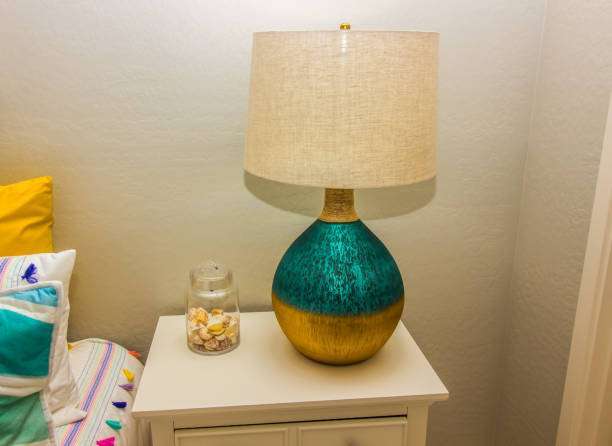
The living room chandelier design utilizes a high-quality anti-yellowing white coating, combined with appropriate gloss treatment and an LED light source, to ensure bright, even, and non-glaring light that remains bright even after prolonged use. The bedroom table lamp uses a low-power LED bulb and a soft-light coating, extending the durability of lamp shades while creating a warm and inviting lighting effect.
In kitchens or studies, UV-resistant coatings and smooth surface designs can reduce yellowish light and ensure functional lighting effects. Case studies demonstrate that by comprehensively applying six durability tips, white lamp shades can maintain ideal lighting effects and aesthetics over a long period, regardless of the space or usage conditions.
VIII. Summary
Maintaining the durability and resistance to yellowing of white lamp shades requires a comprehensive approach, considering factors such as coating materials, processing techniques, gloss and texture, light source selection, and routine maintenance. Six key secrets—high-quality coating, uniform coating thickness, UV protection, surface gloss and texture treatment, appropriate bulb wattage and thermal management, and proper cleaning and maintenance—are all crucial for extending the lifespan of white lamp shades.
Mastering these scientific strategies allows white lamp shades to not only remain bright and new for longer but also ensures soft and even light, enhancing the quality of indoor lighting and the aesthetics of the space. Whether in the living room, bedroom, study, or dining room, applying these tips can easily maintain the beauty and practicality of white, making the home environment bright, comfortable, and sophisticated.