
In home lighting design, the distribution and comfort of light directly impact the living experience and the aesthetics of the space. Even a lamp shades of high-quality material and design can lead to excessively strong or uneven indoor light if the shading angle is not properly adjusted, affecting visual comfort. By scientifically adjusting the shading angle of lamp shades, not only can the lighting effect be improved, but the sense of sophistication in the space can also be enhanced, along with ease of use.
This article will start by optimizing the shading angle, detailing a three-step scientific approach to improve indoor lighting. It also combines material selection, design, and light analysis to provide a practical guide to optimizing lamp shades for your home. By mastering these principles, you can easily improve your indoor lighting experience, filling every space with soft and even light.
I. The Importance of Shading Angle
Lamp shades refer to the direction and range of light that is blocked or guided. A suitable shading angle can effectively prevent light from shining directly into the eyes, reduce glare, and guide light to diffuse evenly throughout the room. Shading angles that are too large or too small will affect the lighting effect: too large an angle may cause the light to be concentrated and locally glaring, while too small an angle will result in insufficient light dispersion, insufficient indoor brightness, or the creation of shadows.
The angle of light blocking not only affects comfort but also directly impacts the aesthetics of a space. Even soft lighting enhances the home atmosphere and highlights spatial depth and material texture. Scientifically optimizing the angle of light blocking is a crucial method for improving indoor light quality and the overall living experience.
II. Determine the functional requirements of the light source
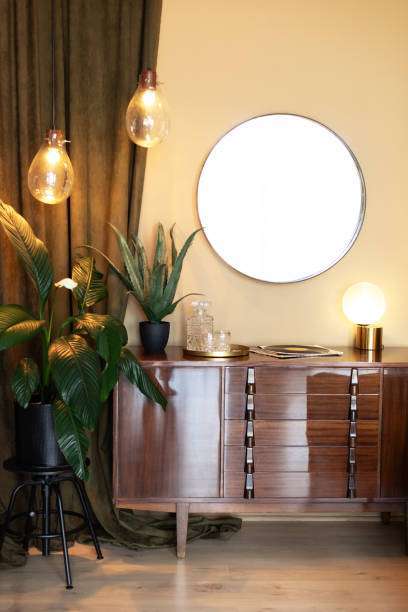
Optimizing lamp shades’ shading angle is to define the functional requirements of the light source. Different rooms and usage scenarios have different lighting requirements. Living rooms need overall uniform lighting and localized focused lighting, bedrooms prefer soft, diffused light, and studies or work areas need focused light sources to ensure reading and work efficiency.
After clarifying the function of the light source, the initial shading angle can be determined based on the light source’s height, angle, and diameter. For example, the shading angle of a chandelier in the living room should ensure that the light covers the entire tabletop and activity area while avoiding direct sunlight on the eyes; the shading angle of a wall lamp in the bedroom can be slightly smaller, allowing more light to reflect along the wall and create a softer atmosphere. By analyzing the lighting needs, the shading angle range can be scientifically set, providing a basis for subsequent adjustments.
In addition, the type and brightness of the light source also need to be considered. LED bulbs have concentrated and high brightness, requiring better shading control; halogen or energy-saving lamps have softer light, allowing for a more open angle. The material and light transmittance of lamp shades are also important factors affecting the design of the shading angle. Semi-transparent materials can increase light diffusion, making the adjustment of the shading angle more flexible.
III. Adjusting the tilt and installation angle
After determining the lighting requirements, the second step is to optimize the light distribution by adjusting the tilt angle and installation height of the lamp shades . By changing the angle relative to the bulb, the range and direction of light diffusion can be controlled, thereby improving the uniformity of indoor lighting.
In practice, you can first observe the effect by simulating light projection. For example, slightly tilt or rotate lamp shades to see if the light distribution on the wall and table is uniform; in pendant lights, you can fine-tune the distance between the bottom and the light source to ensure the light covers the desired area without producing glaring direct light. For wall lamps and table lamps, you can adjust the angle of the bracket or the tilt angle to guide the light to the reading area or work surface while reducing the impact of glare on the eyes.
Installation height also affects the light-blocking effect. A chandelier installed too low may result in concentrated, localized light, while one installed too high will result in insufficient light dispersion. By comprehensively considering the tilt angle, bulb height, and lamp shades size, it’s possible to ensure adequate light coverage while minimizing the direct glare from the bulbs, achieving comfortable lighting.
IV. Lamp Shades Inner Wall and Reflective Design
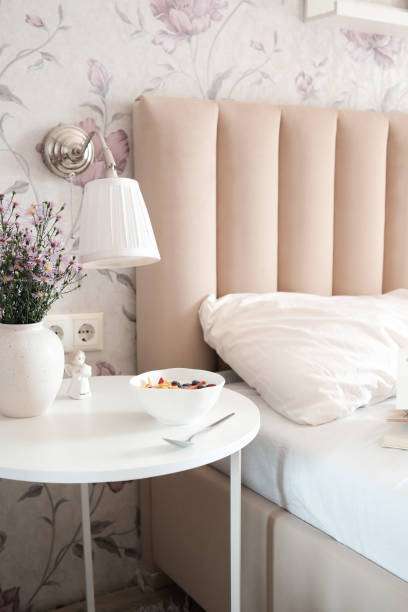
The third step is to further optimize the lighting effects using lamp shades on the inner walls and reflective design. The internal materials and colors have a significant impact on light distribution. For example, light-colored or mirrored inner walls can enhance light reflection, making the light distribution more even; dark or matte inner walls absorb some light, creating a softer lighting environment.
Reflective designs, including built-in reflective layers, refractive structures, or localized coatings, can improve lighting effects without increasing bulb wattage by altering the direction and diffusion of light. Simultaneously, reflective designs help soften the directness of light from the bulb, creating a more natural and gentle glow. Modern high-end lamp shades often employ internal microstructures or composite reflective materials to achieve uniform light diffusion while maintaining aesthetic appeal.
By combining interior wall materials with reflective design, adjustments can be made to suit the room’s needs. For example, a living room requiring uniform overall brightness can opt for light-colored reflective interior walls; bedrooms and rest areas need softer lighting, so matte or semi-transparent interior wall materials can be chosen to control the angle of light diffusion. Through scientific design of the interior walls and reflective structure, the optimized light-blocking angle of lamp shades can be maximized.
V. The Influence of Material and Structure on the Shading Angle
of lamp shades are inextricably linked to their shading angle. Different materials, such as fabric, paper, plastic, metal, or glass, have varying light transmittance, requiring adjustments to the shading angle based on their material characteristics. For example, fabric has good light transmittance, so the shading angle can be appropriately reduced to achieve soft, diffused light; metal is opaque, requiring the use of angled surfaces or reflective layers to guide the light; and glass can be designed with semi-transparency or frosting to make the light soft and even.
In terms of structural design, ring supports, multi-point fixation, or curved lamp shades not only enhance stability but also influence the range of light diffusion. A well-designed combination of structure and materials can achieve optimal light-blocking while ensuring safety and lightness. The scientific coordination of materials, structure, and light-blocking angles is the core principle for optimizing indoor lighting.
VI. Practical Application Cases
In living room applications, by adjusting the chandelier’s shielding angle, combined with light-colored glass lamp shades and an internal reflective layer, light can evenly cover the entire activity area while weakening the direct glare from the bulbs and enhancing the sense of sophistication in the space.
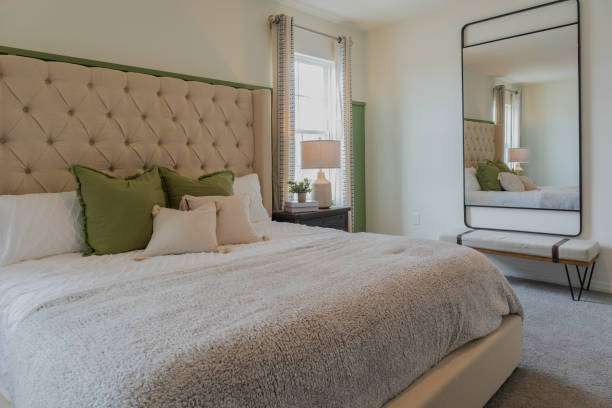
For bedrooms or studies, choose fabric or semi-transparent plastic upholstery. By adjusting the angle and using soft reflections from the inner walls, diffuse light into the reading area, reducing direct glare and creating a comfortable reading environment. Dining room lighting can utilize curved or conical shapes. By precisely adjusting the angle of the light-blocking mechanism, focus the light on the dining table area to enhance the dining atmosphere while maintaining soft lighting in the surrounding space.
As the case studies demonstrate, scientifically optimizing the shading angle in conjunction with material and structural design can significantly improve lighting effects, making indoor lighting more comfortable and uniform and enhancing the overall ambiance of the space.
VII. Conclusion
Lamp shade angles not only affect lighting comfort but also directly impact spatial aesthetics and user experience. A three-step scientific approach—identifying lighting needs, adjusting tilt and installation angles, and optimizing interior wall and reflective design—can effectively improve indoor lighting, making it softer and more even and reducing the harshness of direct light from bulbs.
Material selection and structural design are fundamental to optimizing the light-blocking angle. By appropriately combining materials such as fabric, glass, and metal, and through scientifically designed structures and reflective layers, lamp shades can provide the best lighting effect while ensuring stability and lightness.