Lighting is a must: A guide to the perfect combination of white light, warm light and lamp shades

Lighting is often underestimated when creating a home. We often focus solely on the lamp’s design, overlooking the character of the light itself. White light and warm light differ not only in brightness but also in mood and atmosphere. Lamp shades are the bridge between the bulb and the atmosphere of the space. They determine the light’s diffusion, softness, and color presentation. For lighting to be both practical and stylish, matching white light, warm light, and lamp shades is key.
1. The Differences Between White Light and Warm Light:
White light typically has a color temperature above 5000K. It is bright, clear, and accurately displays the colors of objects. Therefore, it is often used in workspaces, kitchens, studies, or spaces requiring concentration. It creates a sense of cleanliness and efficiency. In contrast, warm light, with a color temperature ranging from 2700K to 3000K and a soft, yellowish hue, creates a warm and relaxing atmosphere, making it suitable for bedrooms, living rooms, or dining areas.
Therefore, when choosing lamp shades , it is important to first identify the intended scene. White light emphasizes clarity, while warm light pursues a pleasant experience. The material, color, and light transmittance of lamp shades should all be coordinated around this core principle.
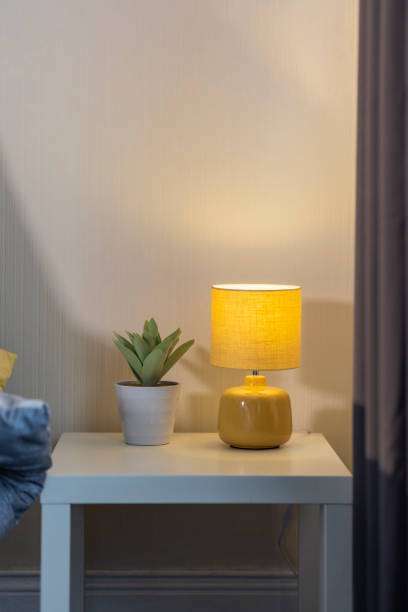
2. Warm Light Compatibility: Adding Layers to
Soft Light. Warm light has an inherent warmth and pairs well with translucent fabrics or frosted glass. Fabric lamp shades can further soften the light, spreading the warm yellow hue more evenly throughout the space, creating a gentle atmosphere. For a more upscale feel, opt for linen, cotton, linen, or light beige textured materials. These create richer layers of light, creating a warm yet not oppressive feel.
For spaces like bedrooms and dining rooms where ambiance is paramount, warm light paired with light-colored fabric lamp shades is a classic combination. For example, an off-white fabric shade paired with a 3000K warm light bulb creates a relaxing atmosphere upon entering the room. Darker colors like coffee, burgundy, or dark gray are better suited to a slightly brighter warm white light (around 3500K) to avoid appearing too dim.
3. Pairing White Light: Making Brightness More Comfortable
. White light emphasizes clarity and practicality, so avoid overly thick or dark materials when pairing it, as these can weaken the light’s effectiveness. Clear glass, acrylic, or metal cutouts are all good companions to white light. These lamp shades maintain ample brightness while creating a simple, modern look.
For example, in a kitchen or study, white light paired with clear or lightly frosted glass lamp shades provides focused illumination without glare. In office or study areas, metal reflectors effectively focus light, improving illumination efficiency and aiding concentration.
It’s worth noting that while white light is bright, pairing it with overly cool or highly reflective lamp shades can create a stark effect. Adding a slightly diffused frosted finish can make white light appear softer and more comfortable.
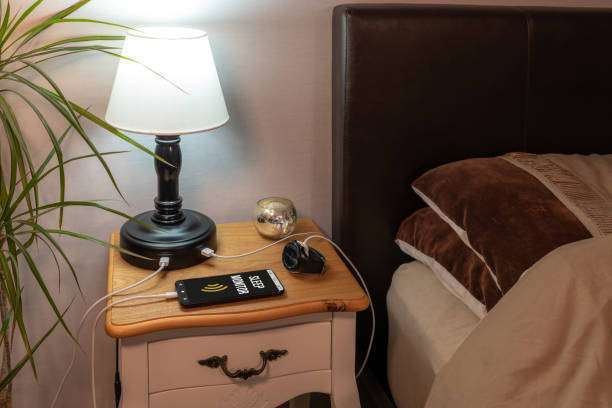
4. The Impact of Color on Light:
Many people choose lamp shades solely based on their exterior color, overlooking their impact on the light’s color temperature. Light colors (such as white, beige, and light gray) maximize the preservation of the bulb’s original color temperature, while darker colors significantly reduce brightness and shift the color temperature toward a warmer tone. For example, covering a white light bulb with a dark fabric cover will diminish its originally bright light and even create a slight yellowish tint. If you prefer a softer, brighter light, choose
lamp shades with a metallic reflective coating . This evenly reflects light, boosting brightness while maintaining a pure color tone, a design technique often used in high-end restaurants.
5. Mixing and Matching Techniques: Balancing Light Colors Within
a Space A space doesn’t necessarily require a single color temperature. Many modern homes utilize a combination of primary white light and secondary warm light. For example, a white ceiling light in the center of the living room ensures adequate illumination, while warm floor lamps or wall lamps are placed in the corners. This not only meets practical needs but also creates a relaxing atmosphere at night.
In this mix and match, the coordination of lamp shades is particularly important. Main lights should be simple and transparent, while secondary lights can feature textured fabric or glass covers to create richer layers of light and shadow. It’s important to avoid using light sources with significantly different warm and cool tones simultaneously, as this can create a visual disparity in the space.
Conclusion: Light is the language of the home . The matching of
lamp shades and bulbs is not just a technical issue; it’s an emotional design. White light creates rationality and clarity, warm light brings intimacy and tranquility, and lamp shades are the art of finding the balance between the two.
If the bulb is the heart of light, then lamp shades are its skin. Knowing how to choose the right light color for each space can make your home not just “bright,” but “bright with warmth.” When the brightness of white light and the softness of warm light coexist harmoniously in a space, you’ll find that every touch of light and shadow in your home is an extension of the spirit of life.