
Differences in light perception between pets
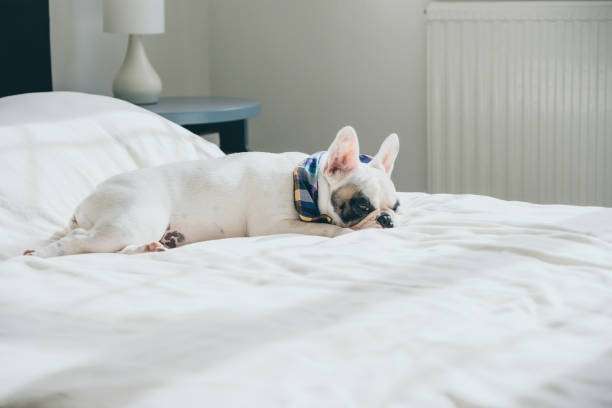
Appropriate lamp shades not only affect the visual comfort of residents but also directly impact the mental health and quality of life of pets. Understanding how animals perceive light is crucial when designing lighting environments for pet-friendly homes.
Unlike humans, pets exhibit significant differences in visual structure and light sensitivity. For example, cats’ eyes are highly sensitive to low-light environments; their retinas contain numerous rod cells, enabling them to see more clearly in dim light, but they are easily uncomfortable with strong, direct light. While dogs’ visual systems are not as adept at color discrimination as humans, they are equally sensitive to changes in brightness; strong light or flickering light sources can cause them anxiety and even lead to avoidance behavior.
The effect of lamp shades material on light
Material is a crucial factor in determining the distribution and softness of light. While transparent glass lamp shades are aesthetically pleasing, their high light transmittance can create harsh, direct glare, especially at night or in dimly lit rooms, which can be uncomfortable for sensitive pets. In contrast, frosted glass, acrylic, fabric, or paper lamp shades effectively diffuse light, creating a softer, more even light source and reducing eye irritation for cats and dogs.
In addition, the texture of fabric and paper lamp shades can reduce light reflection and glare, allowing pets to play or rest without having to avoid light sources. When choosing materials, pet owners should also consider ease of cleaning and durability. While fabric is soft, it easily accumulates dust, making regular cleaning essential; acrylic is relatively durable, but care must be taken to avoid sharp edges that could injure pets.
The influence of lamp shades shape on light distribution
Besides the material, the shape of lamp shades also determines the diffusion of light and the comfort of pets. Round or spherical lamp shades can evenly scatter light, reducing shadows and direct light spots, making them ideal for areas where pets are frequently active. Conical or elongated lamp shades , on the other hand, tend to concentrate light, creating localized areas of intense light, which may cause light stress for pets if placed in their resting or activity areas.
When choosing a lamp shades, prioritize shapes that provide soft, even light distribution. If you have multiple pets, you can create a layered lighting effect by combining lamp shades of different heights and shapes , while ensuring that your pets are not exposed to direct sunlight in any corner.
lamp shades with light source type
The type of light source directly affects a pet’s visual comfort. LED lights are widely used due to their high efficiency, energy saving, and long lifespan; however, some low-quality LED lights may flicker or have excessive blue light content, which can irritate a cat’s or dog’s eyes. While incandescent bulbs have a continuous spectrum, they generate a lot of heat, which can easily cause lamp shades to overheat, posing a safety hazard.
When choosing a light source, pay attention to its compatibility with different light sources. Frosted or semi-transparent bulbs can effectively filter blue light and glare while preventing the light source from being too concentrated. For LED lights, choose bulbs with low blue light and flicker-free designs, and pair them with soft lamp shades to create a gentle, natural lighting environment for your pet.

Lamp shades location and pet activity area
Even with soft lamp shades, improper placement can still cause discomfort to pets. Light sources should avoid shining directly into their eyes, especially since cats like to look up and dogs like to look down to eat; the direction of the light should be considered at their eye level. Pet owners can improve the lighting environment by adjusting the height and angle of the lamp shades or adding a light source shield.
In addition, special attention should be paid to nighttime lighting. Nightlights are a common feature in many households, serving both human nighttime activities and pet sleep needs. Choosing a small nightlight with a soft glow and placing it near the pet’s resting area, while avoiding direct light into their eyes, can help them maintain a stable sleep rhythm and reduce nighttime fright or anxiety.
The Importance of Cleaning and Maintaining Lamp Shades
Lamps in pet-filled homes easily accumulate dust, hair, and grease. If not cleaned regularly, they not only affect the softness of the light but can also breed bacteria, impacting pets’ health. Cleaning methods differ depending on the material. Fabric items are recommended for regular washing or gentle vacuuming, while glass or acrylic items can be wiped with a soft cloth and mild detergent.
Keeping lamp shades clean not only extends the life of the lamps but also ensures stable and soft light, providing more comfortable care for your pet’s eyes.
Creative lamp shades design and pet-friendly spaces
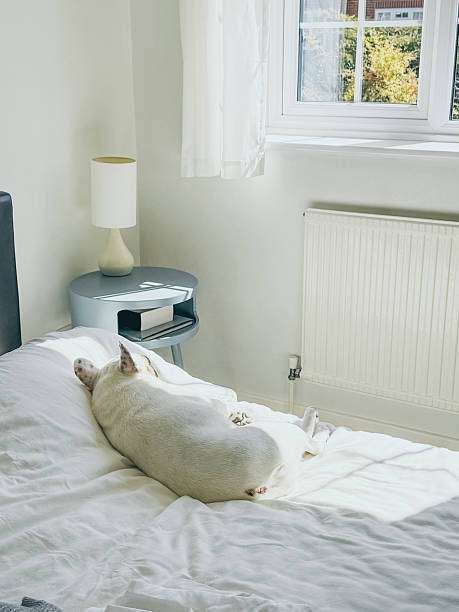
In modern home design, lamp shades are not only protective covers for light sources but also an extension of spatial aesthetics. For pet-owning families, creative designs can be considered, such as those with light-shielding rings, adjustable beam angles, or layered designs to soften localized light. This not only protects pets’ eyesight but also creates a warm and comfortable atmosphere for the residents.
In pet-friendly spaces, soft lighting is just as important as safety. Avoiding lamp shades with sharp edges and low-hanging positions can prevent pets from bumping into them and getting injured. The height, shape, and material of lamp shades work together to create a comfortable and free-moving home environment for pets.
Summarize
In pet-owning households, choosing lamp shades is not only about balancing aesthetics and lighting needs but also a crucial aspect of a pet’s comfort and mental well-being. From materials and shapes to matching light sources, placement, and daily cleaning, every detail can impact a pet’s quality of life.
Lamp shades that provide soft, even light diffusion, along with low-blue-light, flicker-free light sources, and strategically placing them in pet activity areas, can not only reduce light stimulation but also create a safe and warm home environment for your pet. Regularly cleaning the lamp shades to maintain soft and even lighting is a habit that every pet owner should prioritize.