One lamp, two worlds: How the shape of lamp shades changes the distribution of light and shadow

The Language of Light: Shape Determines Emotion
Light is the most dynamic design language in a space. And lamp shades are the translators of this language. They determine how light falls, how it is focused, and how it shapes the atmosphere. Lamp shades of different shapes are like dancers with different personalities, interpreting the emotions of light with their own postures. Some are soft and warm, while others are cold and rational. A single lamp can truly illuminate two completely different worlds.
Lamp shades act as the first “filter” for light. No matter how bright the bulb is, the light is redefined the moment it passes through the lamp shades. Different structures, such as circles, cones, drums, and squares, change the direction, diffusion, and reflection angle of the light, much like the difference between a softbox and a spotlight in photography. Different shapes result in different characteristics of light and shadow.
The path of light: from diffusion to focusing
Lamp shades not only affect aesthetics but also control the “path” of light. Open structures allow light to diffuse freely, enveloping the ceiling and walls in soft light, making the space appear spacious and bright. Closed or narrow designs, on the other hand, act like an aperture, allowing light to fall only on specific areas, making the visual focus more defined.
When using hemispherical lamp shades in the bedroom, the light is evenly diffused, illuminating the entire room while maintaining a gentle glow; while in a desk or kitchen work area, the focusing properties of narrow, tapered lamp shades allow the light to fall precisely, avoiding glare and clutter. The ability to control light is the soul of shape design; a slight difference in curvature can transform a space from tranquil and soft to focused and efficient.
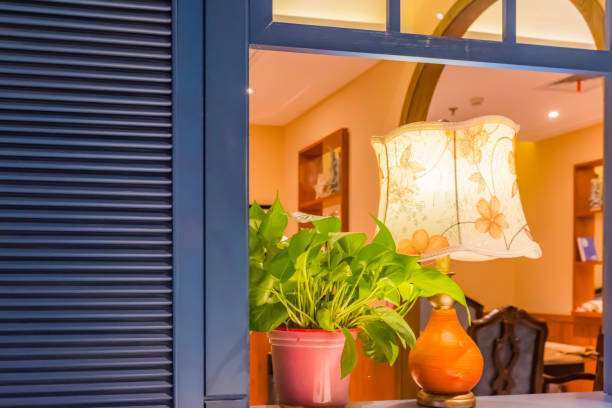
Atmosphere Code: The Subtle Resonance Between Shape and Psychology
Lamp shades not only shape the light and shadow in a space but also subtly influence emotions. Round and drum-shaped lamps bring a sense of inclusivity and security, with soft, diffused light that creates a relaxing and warm atmosphere, suitable for private spaces such as bedrooms and living rooms. Conical or cylindrical lamps offer more directional light, suggesting efficiency and focus, and are often used in reading areas or office environments. Square lamps, on the other hand, symbolize rationality and order, with clearly defined edges, making them suitable for minimalist or modern spaces.
From a psychological perspective, rounded lines are more approachable, while sharp, angular shapes help maintain alertness and focus. The choice of shape reflects a preference for the mood of the space: whether you want the night to be softer or the environment to be more powerful.
A Concerto of Materials: The Dual Influence of Form and Texture
Shape determines the direction of light, while material determines its tone. The same shape can produce drastically different effects depending on the material used. A fabric dome diffuses light gently, like warm moonlight; glass lamp shades enhance transparency, making the space brighter. Metal cone-shaped lamp shades create a strong focusing effect, suitable for modern styles; frosted glass or linen exteriors soften this sharpness, making the light more warm and inviting.
The interplay of form and texture is key for designers to create atmosphere. For a warm, homey feel, choose soft fabrics paired with circular structures; for a modern, sleek style, try combining metallic materials with square shapes. Each combination reshapes the character of light and shadow.
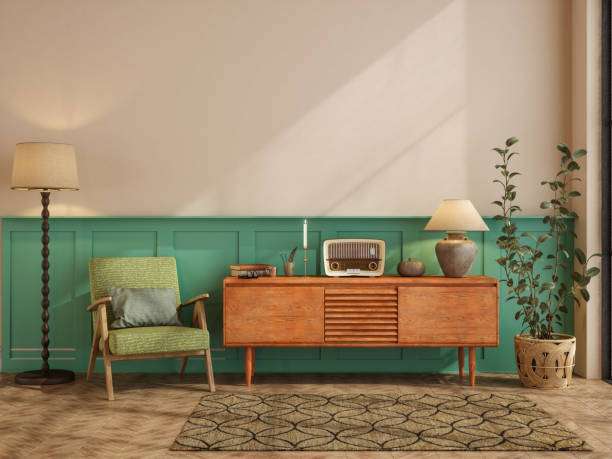
The Sculpture of Light and Shadow: A Designer’s Mindset
In professional lighting design, the shape of lamp shades is considered the “border of light.” Excellent design is not simply about illuminating but about using light to shape space. A round chandelier can soften the straight lines of furniture, making the space more inviting; a cone-shaped wall lamp can precisely illuminate a painting, making it the focal point at night.
Designers often create multi-layered lighting systems by combining light fixtures of different shapes. In the living room, an open-style spherical pendant light provides basic brightness, a cone-shaped floor lamp in the corner creates localized light spots, and a semi-transparent drum-shaped pendant light above the dining table adds warmth to the dining atmosphere. The synergy between different lamp shades allows the same space to display multiple layers and expressions through changes in light and shadow.
Conclusion: The shape of light is the temperature of space.
Lamp shades determine the path of light and define the mood of the night. The difference between soft light and spotlight is not just a functional choice but also an expression of emotion. Some people prefer the sense of security of being enveloped by rounded light, while others prefer the order and clarity brought by sharp-angled light shadows. Under a lamp, some read, some ponder, and some dream.
The next time you choose a light fixture, take a closer look at that thin layer of lamp shades. Because it is that subtle curvature and angle that determines the form of the light, and thus the world you see.