Lamp Shades 2: Color Scheme with Emotional Contrast: Light colors are healing and bright, while dark colors are calming but more depressing.

Among all the details of home lighting atmosphere, the choice of lamp shades is often overlooked yet one of the most influential factors on mood. Different color schemes not only change how light is presented but also profoundly affect people’s psychological feelings. Light colors often give people a fresh, healing, and soft impression, while dark colors make a space appear calm and focused but can also bring a depressing or heavy atmosphere when the area is too large or the light is insufficient. Color is not just a surface visual element but also a reflection of emotions; choosing a color scheme is essentially choosing the tone of a home’s mood.
This article will delve into the differences between light and dark lamp shades in terms of light, shadow, atmosphere, and psychology. Through four main perspectives—optical fundamentals, material expression, spatial style, and usage scenarios—it will guide readers to truly understand how color influences their daily experiences. Furthermore, it will offer practical lighting matching suggestions to address the common issues of overly bright light shades and overly dark shades, ensuring that lamp shades not only look good but also create an ideal living atmosphere.
1. Light-colored lamp shades: a source of healing, brightness, and a sense of spaciousness.
Light colors are often described as soothing because their high reflectivity allows light to diffuse more softly and fully within a space. White, cream, and misty beige, among other light colors, under lighting, allow light to diffuse from within the light source, increasing the overall brightness of the space while reducing harsh lines between light and shadow, creating a gentle and relaxing visual rhythm. The airy visual characteristics of light lamp shades also make spaces appear more spacious, making them particularly popular in small- to medium-sized homes.
Light diffused within light-colored lamp shades effectively reduces the glare from direct light bulbs, softening indoor lighting without sacrificing brightness. For spaces requiring relaxation, such as bedrooms, living rooms, or reading nooks, the calming atmosphere created by light-colored lamp shades can reduce psychological tension, making it easier to enter a restful state. Psychological research indicates that light-colored environments foster a greater sense of openness and security, and lamp shades are one of the easiest elements to alter this atmosphere.
Furthermore, the combination of light colors with different materials can also influence emotional expression. Light-textured fabrics present a soft, welcoming warm tone; frosted glass presents a sophisticated, even halo; and light-colored plastic materials bring a simple, modern feel. Regardless of the material, light colors always revolve around one core characteristic—diffusing light, thereby creating a visually light and airy feel in the space. This is why light colors consistently excel at creating a healing atmosphere.
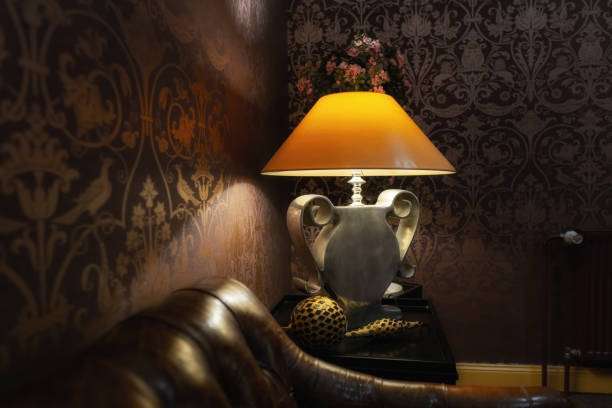
II. Dark shades: Calm and focused, yet often carrying a strong emotional weight.
Unlike light colors, the most prominent feature of dark lamp shades is their light absorption and limitation. When light enters a dark interior, its diffuse reflection is lower, causing the light to form a more defined beam outside the shade , narrowing the illuminated area to a localized region. Therefore, dark colors are often used to create ambient lighting, suitable for above dining tables, reading areas, or work corners where focused light is needed. Their visual effect is typically calm, understated, and modern, making dark colors very common in design styles such as industrial, metallic, and wabi-sabi.
However, dark colors also have a significant emotional impact. When lighting is confined to a small area, the contrast between light and shadow in the space becomes stronger. Prolonged exposure to this atmosphere can cause some people to experience a slight sense of oppression or visual fatigue. This is especially true when the room itself is poorly lit or there are few light fixtures; using dark colors extensively can make the overall environment appear darker and more enclosed, a psychological burden most pronounced in small apartments.
The “oppressive” feeling of dark lamp shades is not absolute but depends on several key factors, such as the brightness of the light bulbs, the light transmittance of the lamp shade material, the color combination of the space, and the density of the furniture. If dark lamp shades are combined with dark walls, low-brightness light bulbs, or enclosed spaces, they can easily create an atmosphere with a narrow light field and an overly dark color field, turning a sense of calm into a sense of heaviness.
III. The Interaction Between Light and Psychology: Why do differences in lamp shades amplify emotional responses?
The color of lamp shades affects both light and mood. Lighter shades reflect light and increase brightness, allowing the brain to perceive a sense of spaciousness and safety, thus promoting relaxation. Darker shades absorb light, creating concentrated areas of light and shadow, making it easier for the brain to focus on specific points, resulting in a psychological feedback of focus, concentration, and calmness.
However, in low-light conditions, the human eye increases pupil dilation to adapt to the dark environment, and the brain simultaneously enters a state of heightened alertness, which over time can lead to mild tension. Therefore, if dark colors are not properly paired, they can shift from a calming to a somber mood. It is precisely because color and light are so sensitive to psychological effects that lamp shades have become the most direct yet easily overlooked key element in emotional design.
The warmth or coolness of light also affects mood. Light lamp shades soften warm light, enhancing a cozy atmosphere, while dark shades tend to accentuate the edges of the light beam, making cool light appear sharper and warm light appear more focused. Different lighting effects naturally evoke different emotional responses.
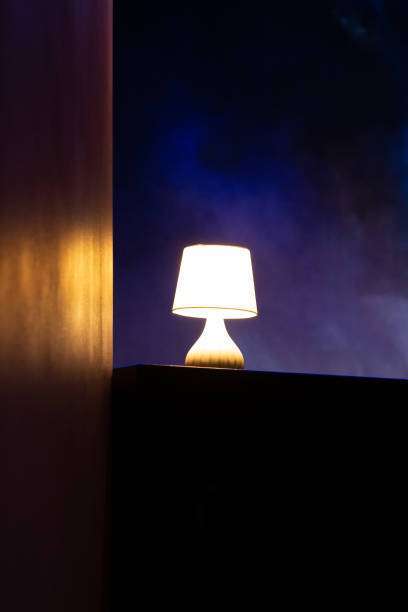
IV. How do materials amplify the emotional expression of light and dark lamp shades?
Materials amplify the mood conveyed by lamp shades. Light-colored fabrics allow light to flow evenly, creating a soft and relaxing atmosphere; light-colored glass can form a bright and clean halo, making the space appear brighter. Dark metal enclosures , due to their low internal reflectivity, make light more directional, and if the inner walls have a brushed metal finish, they will further enhance the “focusing” effect, making the mood calmer and more rational.
Dark glass, such as smoky or amber glass, creates a hazy, shadowy effect, making the light warm and deep, more suitable for relaxing evenings. However, in larger areas, it can also make the environment feel darker, adding emotional weight. Therefore, the material not only affects the appearance but also determines how light spreads within the room.
V. Space Matching: How to avoid “too bright” or “too oppressive” color schemes with different lamp shades?
Light-colored lamp shades paired with high color temperature bulbs may be too bright, even appearing cold; dark-colored lamp shades paired with low-brightness bulbs may be too dark, creating a depressing space. Therefore, the most effective method is to “counteract the shortcomings” of lamp shades and bulbs. Light-colored lamp shades are suitable for warm light; dark-colored lamp shades paired with high-brightness or high color rendering bulbs allow light to penetrate dark areas, reducing emotional burden.
Furniture color can also alter the mood of a light fixture. Light-colored lamp shades appear brighter and lighter in light-colored spaces; dark-colored light fixtures , on the other hand, have the effect of stabilizing the visual center in light-colored spaces. However, if a dark light fixture is paired with dark walls, auxiliary lighting must be added to reduce the feeling of oppression.
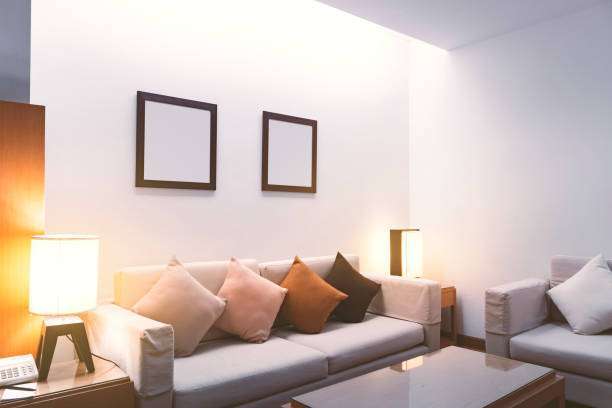
VI. Conclusion
Light colors evoke feelings of healing, openness, and brightness, making them suitable for relaxing, social, and everyday living spaces. Dark colors convey a sense of calm, focus, and privacy, ideal for evening rituals, reading areas, or sophisticated design spaces. Neither color family is inherently superior or inferior; it’s simply a matter of whether it suits the desired mood of the space. The real key lies in mastering the overall balance of light diffusion, material reflection, brightness adjustment, and spatial color scheme. When lamp shades are chosen correctly, they become more than just lighting tools; they become a language of emotion, enriching the visual experience of the home and adding depth and dimension.