4 key thickness factors affecting light perception in lamp shades: Glass refraction instantly makes a space more transparent.

In modern home lighting design, lamp shades are no longer just simple light-blocking tools but core media influencing the atmosphere, visual temperature, and quality of light. Especially with glass, variations in thickness cause light to refract in drastically different ways, directly shaping the brightness, transparency, and layering of a space.
As consumers shift from simply pursuing brightness to seeking “quality of light,” the thickness design of lamp shades becomes a key factor truly determining the ambiance of a space. The reason glass lamp shades have become a trend again in recent years is precisely because they can present a variety of subtle light effects—soft, bright, transparent, and stable—through variations in thickness, transforming home lighting from basic illumination to mood lighting. Understanding how variations in glass thickness alter the perception of light not only helps consumers make more precise choices but also helps designers achieve greater control over light in spatial planning.
The relationship between thickness and light transmittance determines the first layer of light tone in lamp shades.
When discussing the thickness of glass lamp shades, light transmittance is a fundamental and unavoidable indicator.
Thinner glass typically has higher light transmittance, allowing light to pass through almost unimpeded, creating a bright, light, and diffused spatial visual effect. Conversely, thicker glass causes light to undergo more absorption and scattering before entering the room, resulting in a softer, more gentle, and more enveloping overall light. In practical experience, the difference in thickness is often the starting point for shaping the mood of a space.
If a space has limited natural light, using thinner glass can quickly increase ambient brightness, reduce shadows, and make the room appear more spacious. In bedrooms, reading nooks, or relaxation areas, thicker lamp shades create a more serene atmosphere, avoiding glare and providing a warm, enveloping feel. This difference in lighting effects affects not only visual perception but also psychological well-being, transforming the thickness of lamp shades from a physical property into a power to shape emotions.
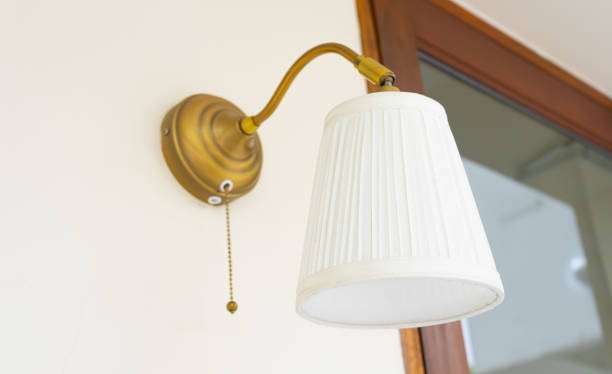
The variations in refraction and scattering allow lamp shades to create a second layer of spatial representation.
Because glass naturally possesses refractive and scattering properties, the thicker the glass, the greater the angle of refraction, thus creating more pronounced layers of light and shadow. Conversely, thin lamp shades transmit light in a clear and direct manner, resulting in a purer sense of light in the space. As home lighting increasingly shifts from single-function to multi-scene switching, the refractive properties of lamp shades have become a crucial design variable.
Thick glass lamp shades can make a space appear more serene because light is refracted multiple times inside, creating a soft, misty effect. The edges of light and shadow are no longer sharp, but rather have a smooth transition. This effect is particularly suitable for spaces with textured walls, fabric furniture, or wooden accents, as the soft light enhances the visibility of the material’s texture, making the space appear more detailed and richer in detail.
Thin glass provides a more direct way of illuminating the space, making it suitable for work areas that require high brightness and where you don’t want the light to be overly “reshaped,” such as kitchen islands, desk areas, or studio ceiling lights. Reduced refraction makes the space appear more defined and clear, giving the light a greater visual functionality. If you want a bright, clean, modern design, thin glass is a more reasonable choice.
The thickness of glass lamp shades has a third effect on color temperature perception.
Although the color temperature of a light bulb is fixed numerically, the color temperature we perceive is altered by the thickness of the lamp shades. Thin glass lamp shades maintain a relatively true color temperature, so warm white light remains warm white light, and cool white light still appears cool and clear, while thick glass shades absorb light energy slightly, making the light appear warmer and softer visually.
This also means that if you want a space to feel more therapeutic, relaxing, or homey, thick glass lamp shades can create a softer, warmer space without changing the color temperature of the light bulbs. Many coffee shops prefer thick glass shades because they have a natural advantage in creating a stable sense of light.
If you want to achieve a brightness close to natural light, you should choose thin glass. This is because it reduces color cast, allowing the true colors of light to be presented more completely on tabletops, walls, and object surfaces, making the space look cleaner and more modern. For example, in exhibition spaces or home display cabinets, thin glass covers can more accurately reproduce the true colors of objects, preventing them from appearing dull.
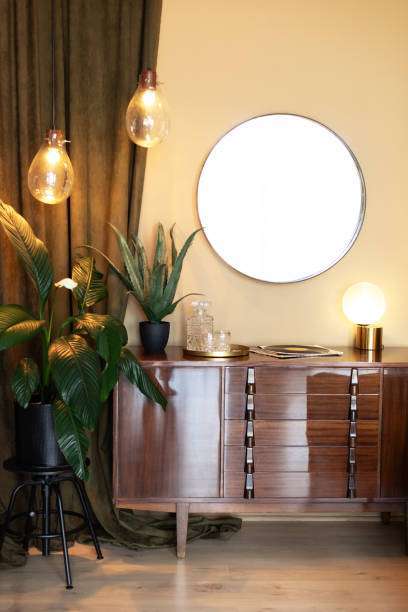
Thickness determines the fourth capability of lamp shades: spatial transparency and presence.
The canopy not only serves to illuminate the space but also becomes a visual element.
Thick glass lamp shades often have a stronger presence because of their heavier texture and more defined contours. After light is refracted, they create layers of light and shadow within the canopy, making the canopy itself a decorative element. On the other hand, thin glass canopies, due to their high light transmittance and low visual weight, can create a transparent visual effect where the canopy is invisible and light dominates, making the entire space appear more spacious.
If you want to create a sense of light floating in a space with light fixtures that don’t take up much space, thin shades will make the space feel lighter. If you want the light fixture itself to be the focal point, such as above the dining table or in the entryway, then thick glass lamp shades will make the light fixture the visual center, enhancing the decorative and sculptural feel of the space.
Therefore, using lamp shades of varying thicknesses in different spaces allows for more precise manipulation of visual layers. For example, a thin shade can be used in an open-plan living room to enhance the overall sense of airiness, while a thick shade can be used in a reading area or relaxation area to add emotional depth to the corner. This configuration avoids monotonous lighting.
Thickness and material processing work together to shape the long-term performance of lamp shades.
Thickness not only determines the amount of light emitted but also affects the long-term performance of a lamp. While thin glass domes are lightweight and transparent, they require more precise manufacturing processes; even slight unevenness can result in light spots or uneven light transmission. Thicker glass domes are more durable, less prone to breakage, and more likely to create a stable light effect within the lamp. This explains why many high-end brands choose moderately thick glass to ensure consistent light quality.
While maintaining transparency and refractive texture, thicker domes can also conceal some of the handcrafted textures, giving lamp shades a warmer visual effect. Thinner domes , on the other hand , are more suitable for rigorous industrial production, ensuring extremely high standards of light uniformity.

The ultimate impact of glass thickness on mood, atmosphere, and spatial narrative
When we place lamp shades into a space, they’re not just light filters but emotional devices that can change the space’s narrative and the user experience. A thick glass dome creates a soft, enveloping, calming, and slow-paced light; a thin glass dome creates a bright, direct, open, and transparent light.
The difference in atmosphere created by the two is not only reflected in brightness but also in psychological perception.
In fast-paced work environments, people need the transparency and efficiency offered by thin light fixtures, while at night, they need thicker light fixtures for relaxation and tranquility. These seemingly simple variations in light fixture thickness profoundly influence our relationship with space. Lamp shades thus become an important bridge connecting the rhythm of life with spatial aesthetics.