5 key rules for matching lamp shades: Choosing the right color temperature is crucial to avoiding color mistakes.

Introduction: When light and color meet, the ambiance of a space is completely rewritten.
In modern home design, the presentation of light is no longer just a matter of brightness; it’s a comprehensive expression of spatial mood, visual focus, and the rhythm of life. Especially when color temperature begins to influence material texture, emotional intensity, and the presentation of food, the matching of lamp shades and light becomes a core element in determining the quality of a space.
This article systematically analyzes five crucial matching rules within the deep relationship between color temperature and lamp shades . By combining material considerations, application scenarios, and user experience, readers can truly understand how to avoid pitfalls and maximize the value of light in their lives.
I. The fundamental relationship between
lamp shades and color temperature determines the psychological perception of light . In changes in color temperature, lamp shades play a crucial role in harmonizing, filtering, and reshaping light colors. Therefore, users often experience drastically different atmospheres from the same light source. In this context, lamp shades are not only containers of light but also reflectors, their texture and surface absorptivity determining the final hue and gradation of light.
When paired with low color temperature light sources, they create a warmer space, fostering a sense of psychological security; however, improper matching with high color temperatures can easily result in a cold, glaring, and stressful environment. Because lamp shades are so critical in light color transformation, the choice of color temperature must be carefully considered.
II. The Visual Rendering of Lamp Shades at Warm Color Temperatures Determines the Comfort of a Space.
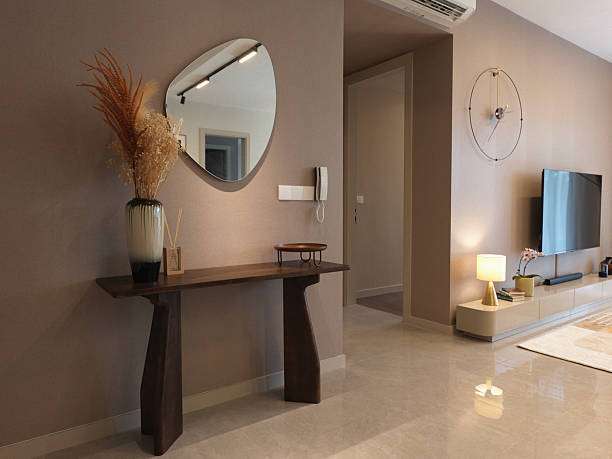
Many families choose warm-colored lighting when creating a cozy atmosphere, making color, material, and light transmission structure particularly crucial. Combinations of warm light can create a soft, diffused effect on walls and tabletops, evoking a sense of relaxation and stability. Materials like linen, cotton, or pulp typically create the softest halo at warm color temperatures.
However, choosing lamp shades made of overly thick or dark materials can lead to excessive light absorption, making the space feel dull and even turning a warm atmosphere into a sense of oppression. Therefore, it’s essential to understand the balance between warm light and materials when designing lamp shades.
III. The Impact of Cool Color Temperature on the Modernity and Clarity of a Space
Cool color temperatures are often used in work areas, reading areas, or modern minimalist styles. However, if lamp shades are not handled properly, cool light can make a space appear harsh. Lamp shades in cool light environments need to have a certain degree of reflectivity to ensure that the cool light does not directly expose its sharpness.
Using glass, metal, or light-colored hard materials for lamp shades usually diffuses high color temperature light better, creating a clean and clear visual effect. Lamp shades are especially important in office settings because inappropriate cool light can cause fatigue or decreased concentration. Therefore, it is essential to make appropriate choices based on the brightness and direction of the cool light to achieve a balance between modernity and comfort.
IV. The Balancing Role of Neutral Color Temperature in Lighting: Often Overlooked Yet Crucial.
Neutral color temperature lies between warm and cool light, typically used in spaces requiring natural color rendering and high realism. Examples include multifunctional areas like restaurants, studios, or bedrooms. These areas often have complex visual needs, making the balancing role of lamp shades even more important.
Neutral color temperature lighting best showcases the true colors of objects, especially wood grain, fabric textures, and skin tones, resulting in a particularly natural appearance. Improper lighting in this context can cause the light to lean towards either cool or warm tones, shifting the overall tone of the space. In such cases, choosing structures with moderate light transmission, neutral colors, and materials that don’t excessively absorb light is essential to maintain a natural consistency between the image and the atmosphere.
V. The Emotional Guidance Role of Lamp Shades in Color Temperature Matching for Special Scenarios is Often Underestimated.
In special areas such as dining rooms, bedrooms, entryways, or exhibition spaces, the matching of lamp shades and color temperature is crucial to emotional expression. In a dining environment, excessively cool light can make food lose its color, making otherwise delicious dishes appear bland; conversely, excessively warm light may cause food to appear yellowish, reducing visual appeal. Color temperature matching is equally critical in bedrooms; cool light can make it difficult to relax, while overly warm light can negatively impact the reading experience.
In these scenarios, adjustments must be made flexibly according to function, ensuring the light truly integrates into the rhythm of life rather than creating discomfort. A reasonable combination with emotional lighting can create the most layered light and shadow experience in the space at night.
VI. The material of lamp shades has a greater impact on color temperature than the color temperature itself.
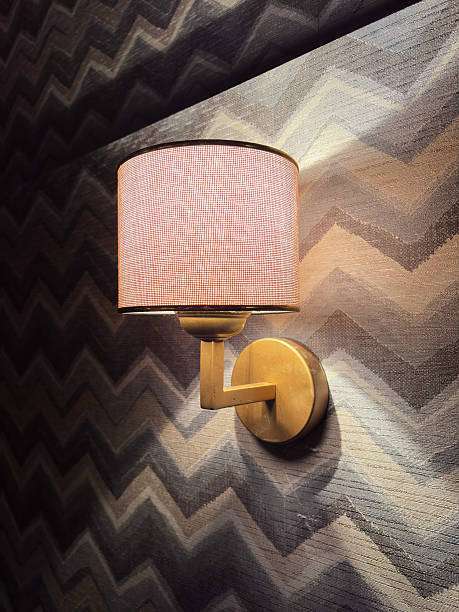
Different materials filter light in different ways, thus significantly altering the color of light. When using fabric, the color temperature usually appears softer; when using metal, the color temperature produces a clean and even reflection; when using glass or resin, the light is more transparent but also sharper; when using wood or bamboo, the color temperature warms slightly, giving the light a natural texture; and when using paper, the brightness of the light is balanced, preventing the color temperature from being too cool or too warm.
Because of the variety of materials, color temperature matching must be based on a comprehensive judgment of the material characteristics, rather than solely relying on the color temperature of the light source to determine the atmosphere of the space.
VII. The Interaction Between Wall Colors Redefines the Meaning of Color Temperature.
Light shining on walls of different colors produces reflections, causing color shifts in the light emitted by lamp shades . Light-colored walls tend to maintain a more stable color temperature, while dark walls typically produce warmer light. Unpredictable color variations can also occur with colored walls; for example, green walls can make the light appear cooler, while red walls can make it appear warmer.
Therefore, color temperature interacts not only with the light source but also with the colors of the space. Ignoring this can lead to actual lighting effects that are completely different from what is expected. The final effect often depends on the combined effect of wall color, furniture, and environmental reflectivity.
8. Lamp shades themselves reshape the visual impression of color temperature.
Color directly affects the judgment of color temperature; for example, red is noticeably warm, while blue makes the light appear cool. Using light colors can create a relatively neutral presentation with color temperature; using bright colors often creates a stronger emotional atmosphere.
In this way, lamp shades not only act as filters of light but also as layerers of colors, making the space present complex and rich color layers. The combination of lamp shades and color temperature here means that light is no longer static but exists with emotion, direction, and narrative.
9. The structural design of lamp shades influences the direction and intensity of color temperature, determining the spatial distribution of light.
The internal shape affects the way the light source refracts, causing the color temperature to exhibit different characteristics in different directions.
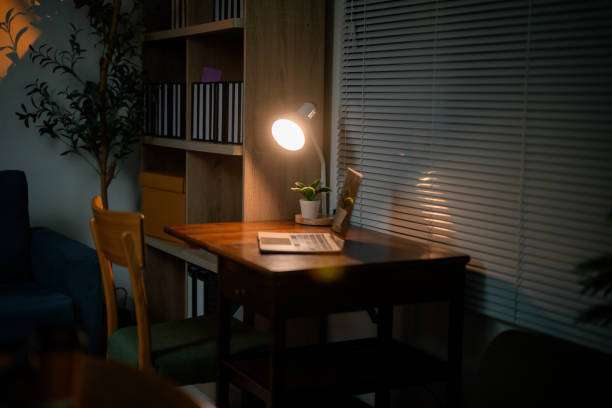
Funnel-shaped lamp shades concentrate light, making the color temperature appear stronger; barrel-shaped or circular lamp shades diffuse light, making the color temperature softer and more uniform. In this sense, it is not only related to color but also closely related to structure. The size, height, thickness, and material of the openings, combined with other factors, can create complex optical effects, allowing the same color temperature to present completely different visual styles.
10. The perfect combination of color temperature is the stable core of spatial style.
Lamp shades play a crucial role in all color temperature strategies, transforming light from a simple measure of brightness into an important design language that influences emotions, shapes atmosphere, and determines the quality of life.
When lamp shades are paired with the correct color temperature, a space can present a complete and richly layered interplay of light and shadow, providing residents with a comfortable and pleasant experience in their daily lives. Therefore, lamp shades are not merely lighting components, but also part of the narrative of life, making light an artistic language worthy of serious understanding. The design value of lamp shades is becoming increasingly important as people’s understanding of light deepens.