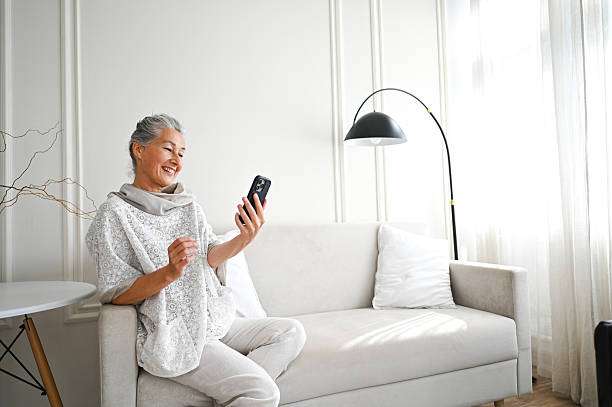
3 types of visual fatigue with lamp shades : Which lamp shades are most likely to cause long-term discomfort?

The discomfort isn’t in the eyes, but rather in the brain’s rejection of this light.
When describing discomfort with a particular lamp shades , many people use vague terms. They feel tired after looking at it for a while, become increasingly annoyed, and feel that something is off about the space, yet can’t pinpoint the exact problem. Therefore, people often attribute the cause to unsuitable brightness, incorrect lamp color temperature, or simply that they are too fatigued lately.
But if you think back carefully, you’ll find that this discomfort didn’t appear overnight. It’s often not noticeable in the first few weeks or even months, but rather accumulates slowly as usage time increases, eventually evolving into a stable sense of aversion. This is a typical manifestation of visual fatigue.
Visual fatigue is not a problem with the eyes, but rather a protective response of the brain after continuously processing undesirable visual stimuli. As intermediaries between light and space , lamp shades , if they have hidden defects in their structure, materials, or light organization, will gradually erode a person’s visual tolerance over long-term use. Unlike furniture, lamp shades repeatedly enter the field of vision at fixed times and in fixed ways almost every day; therefore, once fatigue is triggered, its effects are often more persistent.
This article will start with three types of visual fatigue that are most easily overlooked but most likely to cause long-term discomfort, and will delve into which lamp shades are most likely to be the source of the problem, as well as how this fatigue develops step by step.
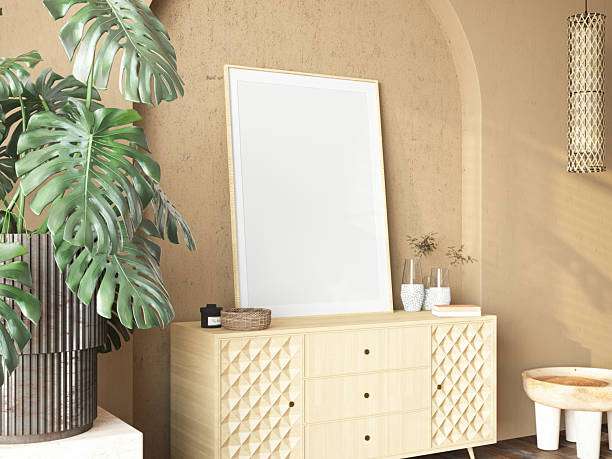
The first type of visual fatigue: monotonous light structure, which long-term suppresses visual rhythm.
Of all the factors that cause visual fatigue, the uniformity of light structure is the most insidious yet also the most common. Many lamp shades are designed to achieve a “uniform,” “clean,” and “stable” light, which may seem harmless, but it is precisely this excessive stability that becomes a breeding ground for visual fatigue.
When lamp shades project light evenly into a space, lacking variations in brightness and direction, the brain quickly loses its motivation for visual exploration. The human visual system is not designed for completely homogeneous environments; it is better adapted to subtle variations in light and shadow. When these variations are absent for an extended period, the brain experiences a profound sense of oppression.
This kind of oppression doesn’t manifest as glare or blinding light, but rather as a persistent, low-intensity burden. In such a lighting environment, people may unconsciously squint, frequently shift their gaze, or stay in the space for a short time. Even if the brightness is moderate and the eyes themselves don’t feel sore, psychological fatigue will continuously accumulate.
These types of lamp shades often have a simple appearance and seem very “safe,” but it is precisely this sense of security that makes the problem harder to detect. With light appearing in the exact same way every day, visual rhythms are completely locked, and the brain has no chance to rest or switch. Over time, the visual system develops an instinctive resistance to this environment.
use these lamp shades for extended periods often unconsciously reduce the time they spend in that space, or try to alleviate discomfort by adding other light sources. This is a sign that visual fatigue has already developed.

The second type of visual fatigue: excessive detail on the surface of lamp shades causes continuous information interference.
In contrast to the first type, the second type of visual fatigue does not stem from a lack of light, but rather from an overload of information. Some lamp shades , in an effort to emphasize design, incorporate complex textures, cutouts, striking patterns, or high-contrast materials on their surfaces. While these elements may be initially appealing, they can become a burden on the visual system over time.
the lamp shades are lit, these details don’t remain static. Light passing through or reflecting off these structures creates constantly changing shadows, highlights, and edge lines. Although the changes are subtle, they are enough to keep the brain receiving irrelevant information.
The problem is that this information doesn’t serve spatial usage, nor does it convey any meaningful environmental cues. It simply keeps reminding the brain, “There’s something here.” The visual system can’t ignore it, but it can’t derive any value from it, so it just keeps consuming attentional resources.
This wear and tear is almost imperceptible in the short term, but with daily use, it gradually transforms into feelings of irritability and fatigue. One may find it difficult to concentrate in this space, or even more easily distracted during rest.
More subtly, this kind of visual fatigue is often misjudged as “aesthetic fatigue” or “disliking the style.” In reality, it’s not a style issue, but rather that lamp shades create too much unnecessary visual stimulation under certain lighting conditions, forcing the brain into a state of passive processing for an extended period.
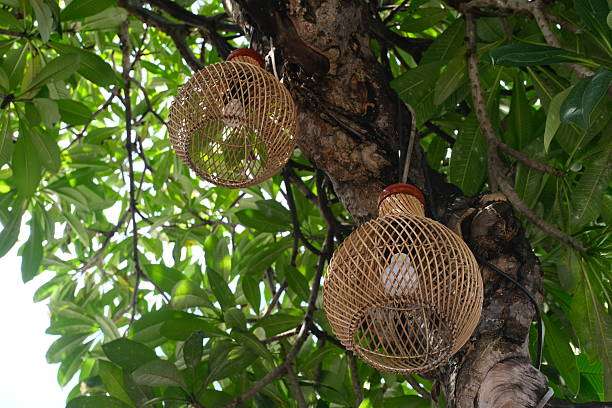
The third type of visual fatigue: The lighting and shadow logic created by lamp shades is inconsistent with the space.
The third type of visual fatigue stems from the long-term conflict between the light and shadow logic created by lamp shades and the structure and purpose of the space itself. Lamp shades do not exist in isolation; they must be matched with the scale, function, and circulation of the room. Once this matching deviates, the visual system will be in a constant state of “correction.”
For example, in a resting space that should be quiet and stable, lamp shades create light with a strong sense of direction; in areas where clear spatial boundaries are needed, lamp shades blur the light and shadow. These inconsistencies cause the brain to constantly try to reinterpret the spatial structure, but it never arrives at a clear answer.
When faced with such conflict, the visual system automatically raises its alert level. Even if a person doesn’t subjectively feel tense, the body remains in a state of mild vigilance. If this state persists for a long time, it can develop into chronic discomfort.
Unlike the previous two types, this type of visual fatigue is often accompanied by behavioral changes. People may rearrange furniture, change their activity paths, or even deliberately avoid certain areas. Lamp shades do not directly “harm” eyesight, but through unreasonable light and shadow organization, they make the space untrustworthy.
When the visual system is unable to establish a stable spatial model, feelings of boredom gradually transform into feelings of rejection. This rejection is not an emotional reaction, but rather a natural response of the brain to long-term cognitive burden.
Why are these lamp shades more likely to cause long-term discomfort?
These three types of visual fatigue have one thing in common: they are not problems that appear immediately. Lamp shades are often not considered to have any obvious flaws when first installed, and may even be highly praised due to their novelty. The real problem lies in the highly repetitive nature of their effects on the visual system.
When exposed to the same type of stimulation at the same time and in the same environment every day, the brain has almost no room for recovery and adaptation. Even if the stimulation itself is not intense, as long as it continues, it will gradually exceed the tolerance threshold.
In contrast, while elements such as furniture and decorative paintings also exist for a long time, they don’t repeatedly intervene in the visual system through high-priority signals like light, as lamp shades do. This is why lamp shades are more likely to become a source of long-term discomfort.
Visual fatigue is not “disliking what you see,” but rather system overload.
When people start to dislike a particular lamp shade , they often sum it up with “I don’t like it anymore.” But in reality, visual fatigue is not a sudden change in subjective preference, but a natural result of long-term exposure.
Understanding this is crucial. It means that the solution is not to simply tolerate or blame aesthetic changes, but to re-examine whether lamp shades place excessive demands on the visual system in terms of light structure, information density, and spatial logic.
In conclusion, truly comfortable lamp shades are those that allow the visual system to gradually “forget” about them.
A good lamp shade doesn’t constantly remind you of its presence. It provides light without creating unnecessary information; it shapes space without forcing attention on itself. Over time, it gradually fades into the background, becoming an presence that is accepted or even ignored by the visual system.
If a particular lamp shades causes discomfort with prolonged use, it’s not that you’re being overly picky; rather, your brain is sending clear signals. Understanding the mechanisms behind visual fatigue is the first step in preventing this discomfort from recurring.
FAQ
Question 1: Are visual fatigue and excessive brightness the same thing?
No. Visual fatigue stems more from unreasonable stimulation methods than simply a matter of brightness.
Question 2: Why do some lamp shades become increasingly unbearable after initially liking them?
Because the novelty masks the long-term burden, and the real impact only gradually becomes apparent with repeated use.
Question 3: Can changing the light bulb solve visual fatigue?
It can only partially alleviate it. What truly determines long-term comfort is still how the lamp shades organize the light.